

Chinese movies span more than a century of storytelling, from early silent films to record-breaking blockbusters. This guide helps you find the films worth your time and understand why they matter.
You will learn how mainland China, Hong Kong, and Taiwan each built a distinct film tradition. Each one has its own stars, styles, and signature genres.
If you are new to Chinese cinema, the sheer number of titles can feel overwhelming. A few key eras and directors give you an easy map to follow.
Keep a list as you read, and you will finish with a personal watchlist ready for your next movie night.
A Short History of Chinese Cinema
China’s first film, Dingjun Mountain, was shot in Beijing in 1905 and recorded a Peking opera performance. By the 1930s, Shanghai had become the center of a thriving film industry.
After 1949, mainland production moved to state studios, while Hong Kong and Taiwan developed commercial and art house scenes of their own. These three paths explain why Chinese-language films vary so widely in tone.
In the late 1980s, the Fifth Generation directors brought Chinese movies to global festivals. Zhang Yimou’s Red Sorghum won the Golden Bear in Berlin in 1988, and Chen Kaige’s Farewell My Concubine shared the Palme d’Or at Cannes in 1993.
Today, mainland China is one of the largest box office markets in the world. Ne Zha 2 (2025) became the highest-grossing animated film ever released worldwide.


Chinese Movie Genres Worth Exploring
Knowing the main genres helps you pick films that match your taste. Two stand out as ideal starting points for new viewers.
Each genre also reflects a different side of Chinese history and values, so watching across them gives you a fuller picture.
Wuxia and Martial Arts Films
Wuxia films follow wandering swordsmen who live by a strict code of honor. Ang Lee’s Crouching Tiger, Hidden Dragon (2000) won the Academy Award for Best Foreign Language Film and remains a perfect entry point.
Historical and Family Dramas
Dramas such as To Live (1994) and Farewell My Concubine follow ordinary lives through decades of political change. They reward your patience with powerful performances and lasting emotional impact.
The Best Chinese Movies for Beginners
Start with films that are widely available, well subtitled, and easy to follow without deep background knowledge.

Hero (2002)
Zhang Yimou’s Hero tells one assassination story from several points of view, each shot in its own bold color palette. You can enjoy it purely as a visual spectacle.
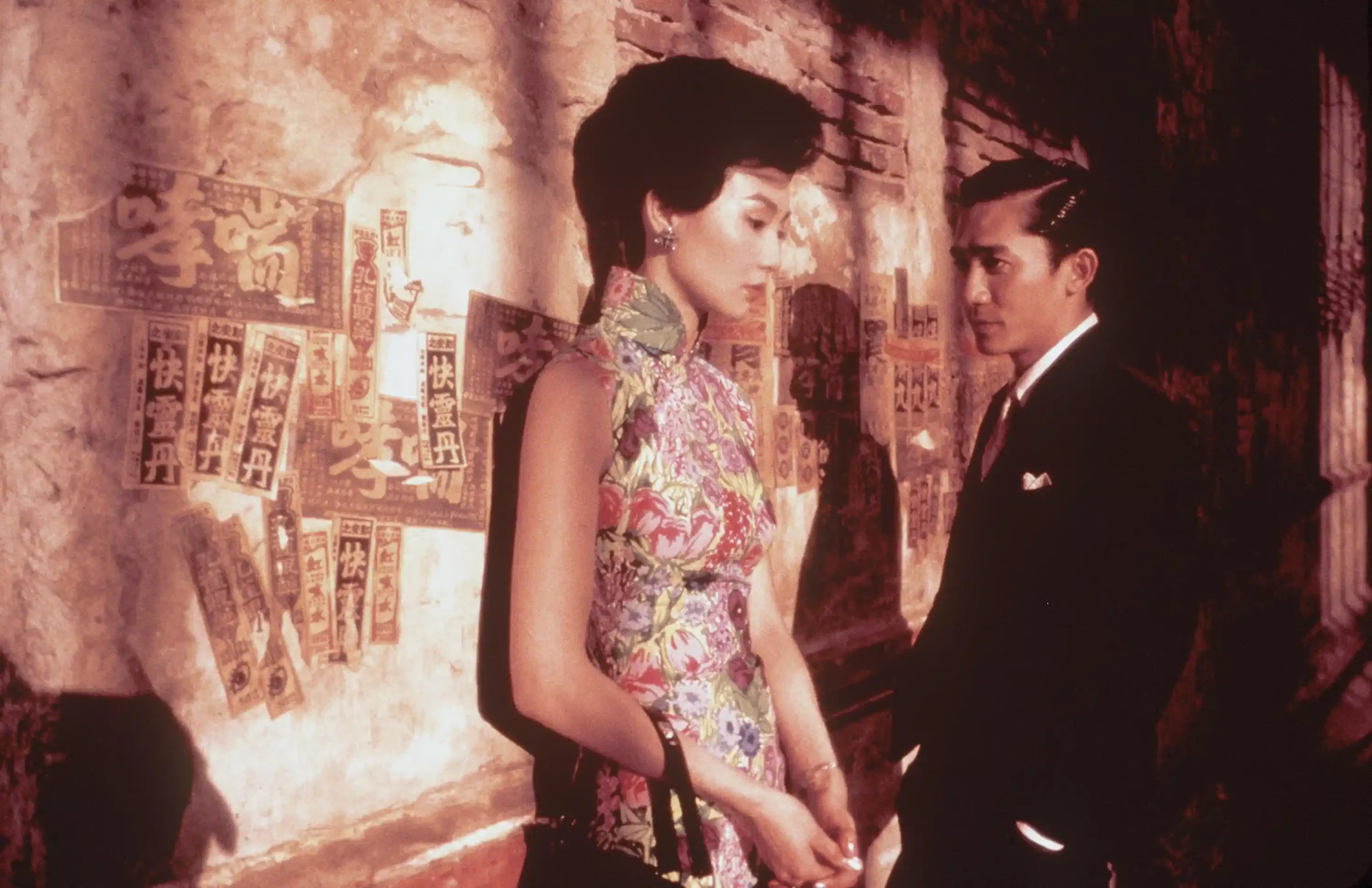
In the Mood for Love (2000)
Wong Kar-wai’s Hong Kong romance is quiet, stylish, and unforgettable. It shows you how much Chinese cinema can say with a glance or a piece of music.

Kung Fu Hustle (2004)
Stephen Chow blends slapstick comedy with martial arts in a way anyone can enjoy. It also makes a great bridge into the wider world of kung fu films.

How to Watch Chinese Movies at Home
Many Chinese movies are available with English subtitles on major streaming services, though titles change by region and by month.
Platforms such as iQIYI and WeTV, Tencent’s international service, carry large Chinese catalogs with subtitle options.
Classic titles often appear on boutique streaming services and restored Blu-ray editions, which usually include the most careful subtitle translations.
Choose subtitles over dubbed versions whenever you can. You will hear the original performances, including the tones and rhythms of Mandarin or Cantonese.
Keep a note of the directors and actors you enjoy. Following one filmmaker’s career is the fastest way to sharpen your taste.
Start with one film from each era above, and you will soon see why Chinese movies earn a place on any serious film lover’s list.